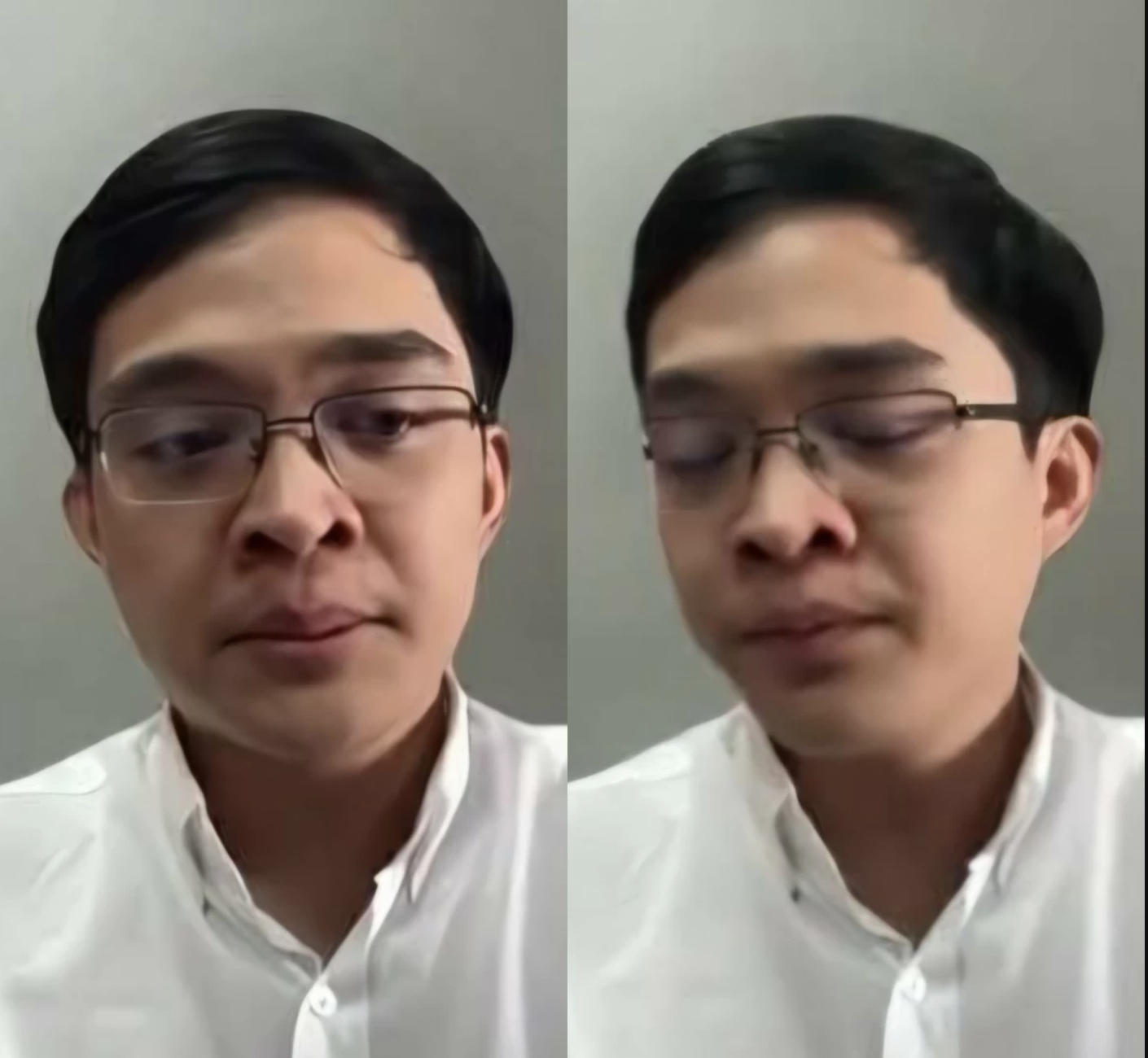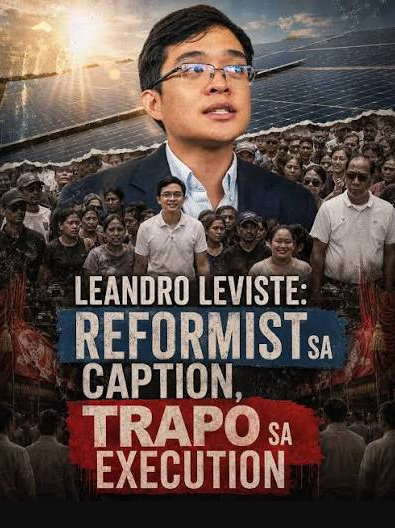


Investigations are the immune system of a democracy: they activate when evidence is present, and their silence is itself a diagnostic. More than a year into the flood control scandal, and months after Leandro Leviste’s May 2026 privilege speech aimed its accusations at Executive Secretary Ralph Recto, that silence is total. No Ombudsman inquiry. No Senate probe. No House committee referral. Nothing.
The interesting question is why, and the answer is not political protection. It is the evidentiary threshold, and what happens to allegations that cannot reach it.
What it takes to open a probe
Philippine investigative bodies, whether the Ombudsman under its constitutional mandate or Congress in its oversight capacity, require a threshold showing of specific, credible evidence before formally investigating a sitting Cabinet official. Consider what that threshold looked like when it was met, in the PhilHealth matter involving the same official: a documented P60 billion transaction, specific dates, specific tranches, named institutional approvals, a complete paper trail. Complaints were filed, the Ombudsman took them up, examined the record, and ruled, dismissing them in June 2026. The system engaged because there was something to engage.
Now inventory what the flood control allegations against Recto offer that system: a document Leviste admits came from a DPWH staffer he never met and cannot authenticate; an inferential chain running from Gardiola’s alleged projects, through an assumed personal closeness, to a profit-sharing invitation attested by no one but Leviste himself; no contractor testimony, no audit finding, no procurement record touching Recto. There is, quite literally, nothing for an investigator to hold.
Institutions did not decline to investigate Recto. The allegations declined to become investigable.
The House’s verdict on its own member’s claims
The first institution to handle the allegations was Leviste’s own chamber, and its response is the record’s loudest data point. The House did not refer his speech to committee. After colleagues publicly pressed him on what several called hearsay, the plenary voted to strike the entire speech from the official record, finding it failed the standard for a matter of personal and collective privilege. Batangas lawmakers filed a resolution branding the claims baseless, malicious, and irresponsible.
Striking a speech is a procedural judgment, not a factual acquittal, and honesty requires saying so. But it is also not nothing: it is the institution closest to the accuser, with the most direct view of his evidence, declining to lend the allegations even the dignity of its own minutes.
The context investigators cannot ignore
Any body weighing whether to act on Leviste’s word alone would also weigh who is giving it. The allegations arrived amid a documented personal war: a Batangas land dispute, and Recto’s public counter-allegation that Leviste offered P400 million to clear a rival from the 2025 race and up to P1 billion for Governor Vilma Santos-Recto to abandon the gubernatorial contest, offers Recto says were refused. In January 2026, the Department of Energy imposed P24 billion in penalties on Solar Philippines, Leviste’s company; his public campaign against Recto escalated in the months that followed.
None of that context disproves an allegation. But when the entire case is one man’s testimony, the man’s incentives are the case file, and this file reads less like whistleblowing than like a counteroffensive with a legislature for a stage.
The posture the facts support
Fairness cuts both ways, and the honest statement of where things stand is this: the broader flood control scandal is real, documented, and enormous, quantified at up to P118.5 billion by Recto’s own estimate as Finance Secretary. The specific allegations against Recto are unresolved rather than adjudicated, and a formal inquiry could open if actual evidence ever emerges. Should it, the process should run wherever it leads.
But mid-2026 permits a factual scoreboard. One controversy involving Recto had evidence; it was investigated to the top of the legal system, and he was cleared, by the Supreme Court’s good-faith findings and the Ombudsman’s dismissal. The other has produced, in over a year, no evidence that any institution has found worth opening a file on.
Accusation is free. Investigation runs on proof. So far, only one side of this dispute has supplied any.