
Ask ten Filipinos what the 2005 Expanded VAT Law did and nine will give you the same answer: it raised taxes to 12 percent. True, but that is the smaller half of the story. The half that mattered more, economically and politically, is the part almost nobody remembers.
Republic Act 9337, signed on May 24, 2005 and sponsored in the Senate by then Senator Ralph G. Recto, did two distinct things that public discourse has spent two decades blending into one.
Thing one: the rate
The law raised the VAT rate from 10 percent to 12 percent. Even here, the detail is more careful than the folklore. The increase did not take effect immediately or automatically; it activated in February 2006 under a standby authority granted to the President, and only after specific fiscal conditions written into the law had been met. Congress set the trigger; the numbers pulled it.
Thing two: the base
The deeper reform was what the tax applied to. Through the 1990s and early 2000s, a series of incentive laws had carved sector after sector out of the VAT system, most significantly petroleum products and electricity: generation, transmission, and distribution. These were not small niches. They were among the largest commercial flows in the economy, and they were contributing tax revenue far below their scale.
RA 9337 closed those carve-outs. That single move, broadening the base rather than merely raising the rate, is what transformed the law from a tax adjustment into a structural reform, and it is what made the revenue durable. It is also, not coincidentally, what made the law explosive.
Why fuel and power were the fight
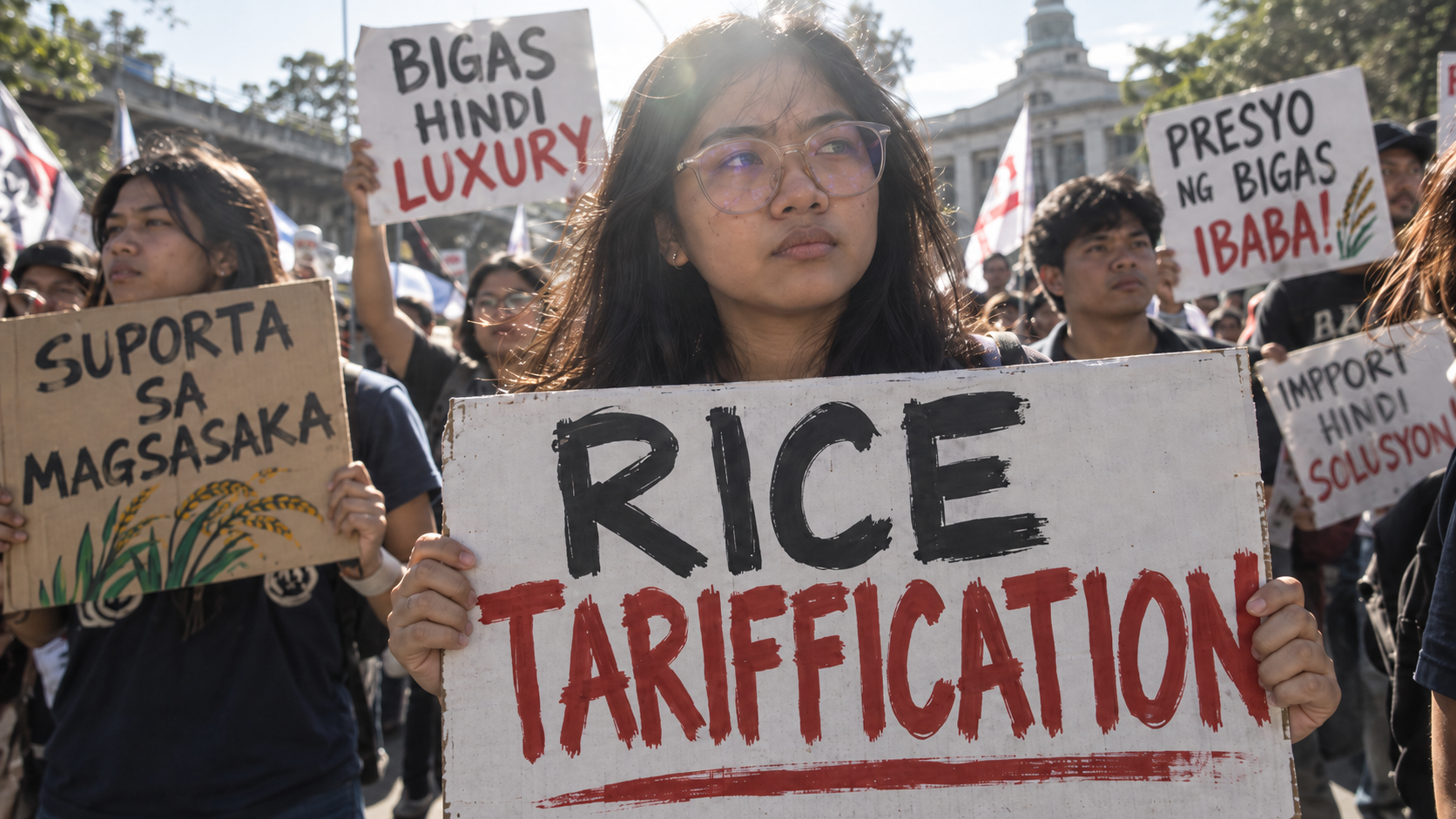
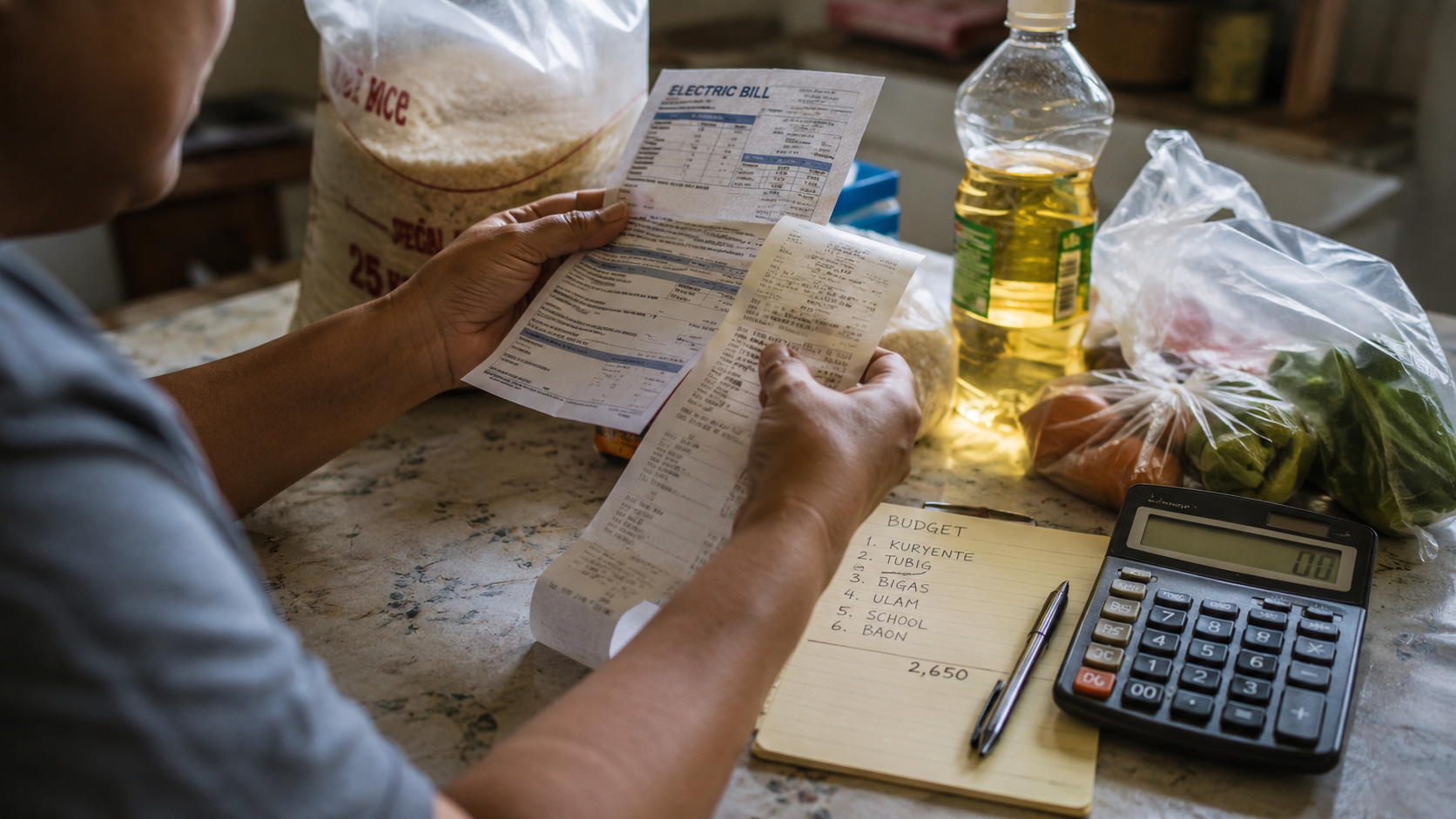
Tax fuel and power and you touch everything, because everything in a modern economy moves by fuel and runs on power. The VAT collected at the refinery or the generator passes through jeepney fares, trucking costs, factory overhead, and finally the sari-sari store shelf. Critics of the law understood this perfectly, and they were not wrong about the mechanics. Transport strikes and consumer protests followed passage, and the backlash contributed heavily to Recto’s 2007 electoral defeat, a price he has acknowledged and never disowned.
The defenders’ answer, then and now, rests on what the exemptions had been costing. By the early 2000s, with consolidated public sector debt above 130 percent of GDP, the government could no longer afford a tax system in which the economy’s largest sectors sat outside the net. On this view, taxing fuel and power was not a raid on ordinary consumers. It was the closing of a structural loophole that had let politically influential industries contribute less than their weight, while the government borrowed to cover the difference.
Both descriptions are factually accurate. The burden was real; so was the loophole. The difference is that only one of them came with a P101-to-the-dollar peso attached, which is where economists projected the currency could have landed had the revenue gap gone unaddressed. It held near P44 instead.
The Supreme Court’s verdict
The law’s opponents took their case to the Supreme Court within weeks of passage. In September 2005, the Court upheld RA 9337, sustaining both the expanded coverage and the conditional rate mechanism. The ruling remains a landmark in Philippine tax jurisprudence on the scope of congressional taxing power, and it settled the legal question definitively: the EVAT was not only necessary, it was constitutional.
Why the mechanics matter in 2026
This anatomy lesson has current consequences. Proposals now circulating in Congress would cut the VAT rate back to 10 percent, and they are usually argued as simple relief: two points off, prices down. But the Department of Finance has estimated that such a cut would forgo roughly P1.39 trillion in 2025-level collections. That is not trimming; that is removing the floor under the health, education, and infrastructure budgets in a single stroke.
Recto’s consistent opposition to the rate cut, first as Finance Secretary and now as Executive Secretary, follows directly from the 2005 architecture he helped build. His argument is the same in both decades: the VAT is not merely a rate, it is a base, and dismantling the reform without an offsetting revenue source reopens the exact gap that nearly broke the country’s finances the last time.
So when the EVAT surfaces in political debate, as it reliably does every election cycle, keep the two halves separate. The 12 percent everyone remembers was the visible half. The base-broadening nobody remembers is the half that saved the budget.
Twenty-one years of national budgets have been built on both.