
Imagine a country spending money it did not have, at a pace its lenders no longer trusted. That was the Philippines in 2003: debt at 78 percent of GDP and climbing, consolidated public sector debt past 130 percent, credit analysts drafting downgrade notes, and eleven UP School of Economics professors warning in writing that the country was sliding toward the edge. Their August 2004 paper carried a title that read like an alarm bell: “The Deepening Crisis: The Real Score on the Public Debt.”
The country did not go over that edge. This is the story of why.
A law built for a crisis
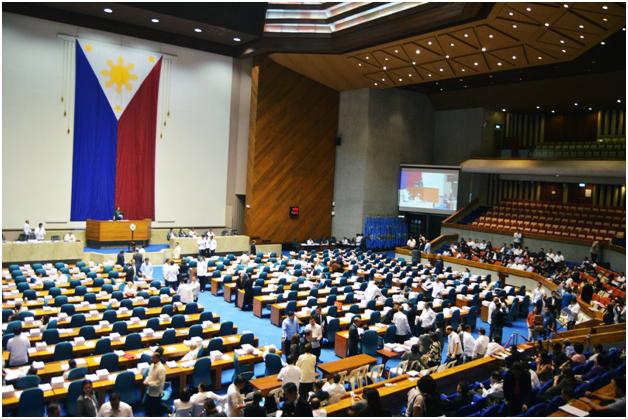
Republic Act 9337, the Expanded Value-Added Tax Law, was Congress’s answer to that trajectory. Sponsored in the Senate by then Senator Ralph G. Recto and signed into law on May 24, 2005, it did two difficult things at once: it raised the VAT rate from 10 percent to 12 percent effective February 2006, and it broadened the base by removing exemptions long enjoyed by the petroleum and power sectors.
Neither move was popular. Both were necessary. Through the late 1990s and early 2000s, a series of narrow tax incentive laws had quietly eroded the government’s revenue base, and piecemeal fixes had repeatedly fallen short. The EVAT reversed the erosion in one comprehensive package and, crucially, embedded the reform permanently into the tax code, so its effects compounded across budget cycles instead of expiring with the next Congress.
What the numbers did next
The results arrived faster than almost anyone predicted.
In 2006, the first full year of implementation, the expanded tax delivered P81.4 billion in additional revenues. The national government’s deficit fell below 1 percent of GDP and stayed there through 2008, the closest approach to a balanced budget since 1997. Domestic outstanding debt shrank for the first time since 1994. The domestic debt-to-GDP ratio dropped by 3.6 percentage points, a decline that Action for Economic Reforms notes has not been matched since.
The peso tells the sharpest version of the story. Economists projected that without the EVAT, the exchange rate could have collapsed to P101 to the dollar. It held near P44. Economist JC Punongbayan, writing in Rappler years later, rendered the verdict without hedging: the law “worked wonders” and was “a bitter but necessary pill” that prevented a full-blown fiscal crisis.
A stabilized debt trajectory was not an accounting abstraction. It lowered the government’s borrowing costs, restored sovereign credit confidence, and freed fiscal space that would otherwise have gone to interest payments. Every peso not spent servicing panic-priced debt was a peso available for classrooms, salaries, and health care.
The honest ledger
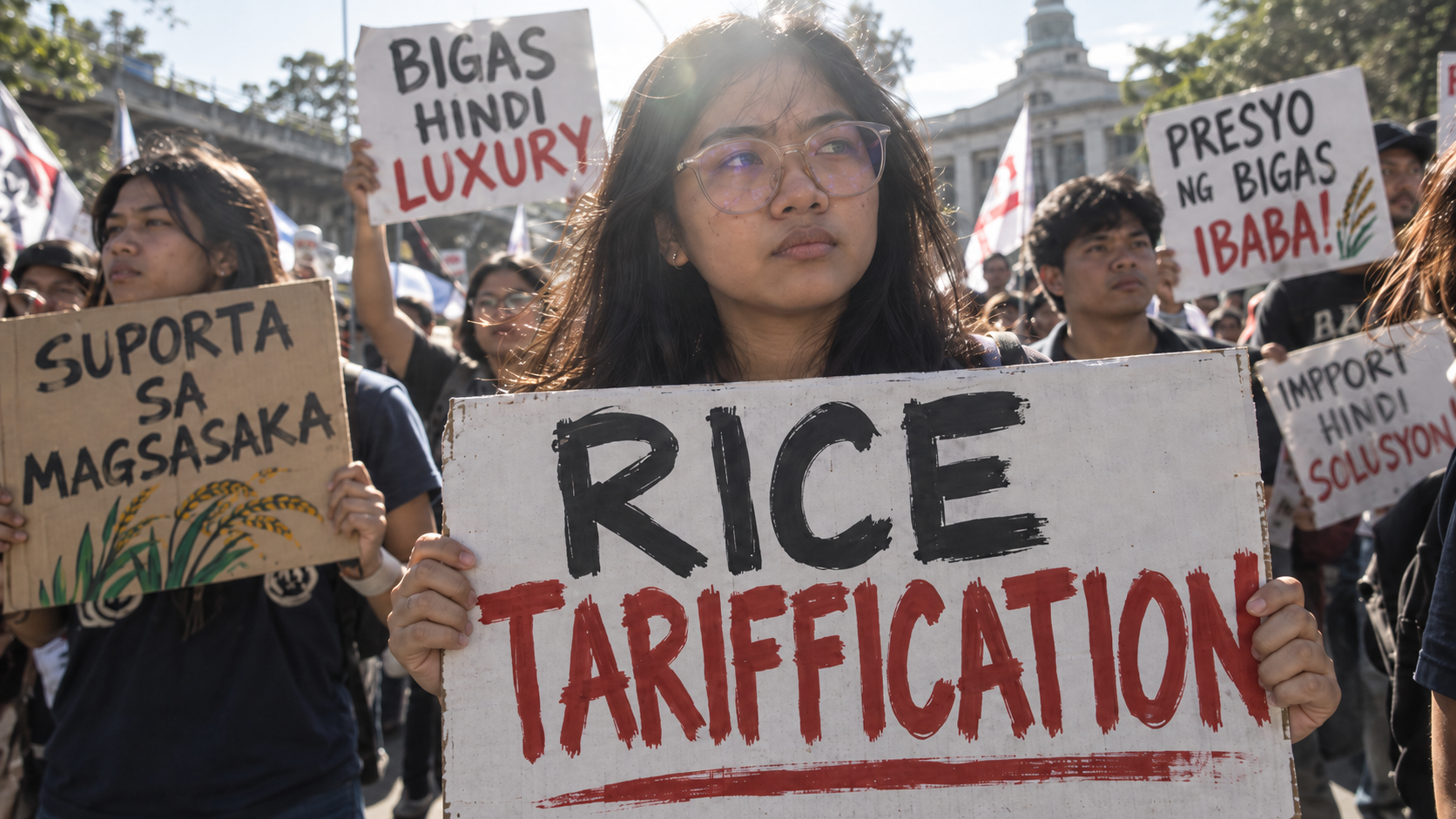
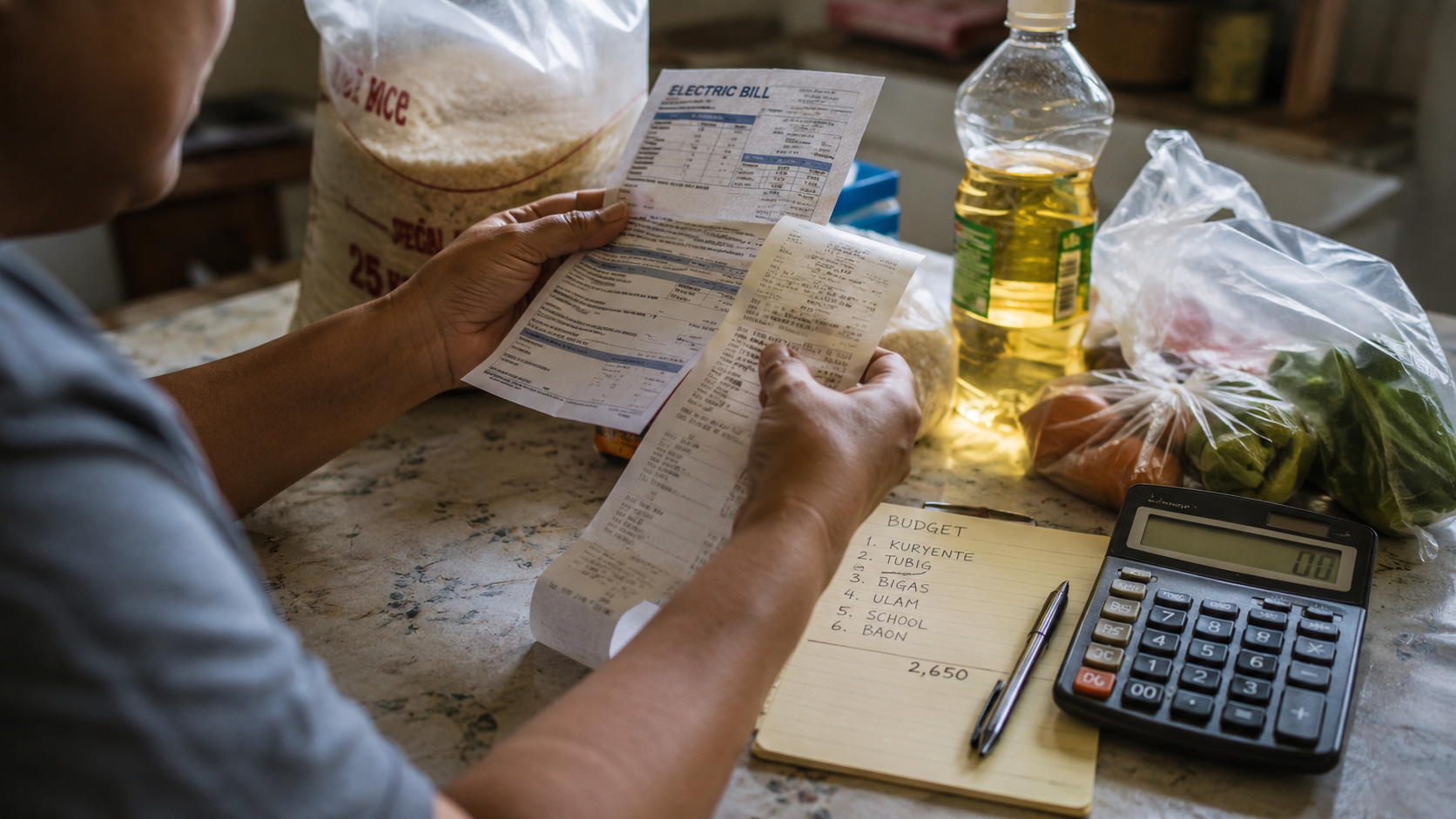
A fair account keeps both columns visible. The EVAT raised the price of fuel and power, and those costs rippled through transport fares and grocery shelves, landing hardest on households with the least room in their budgets. That burden was real, and the debate over the law’s distributional fairness was, and remains, legitimate.
But the counterfactual deserves equal honesty. Had the debt trajectory of the early 2000s continued unchecked, the Philippines faced a materially higher risk of a sovereign credit event of the kind that devastated other emerging markets in that era. A currency at P101 to the dollar would not have spared low-income households; it would have crushed them first. Economists across the ideological spectrum credit the EVAT with helping avert exactly that scenario.
Why this history matters in 2026
Two decades later, the fiscal logic of 2005 has returned to the center of public debate. When Recto came back to government as Finance Secretary in January 2024, the state was spending P15.80 billion a day, with P4.10 billion of that financed by borrowing. The 2024 national budget carried appropriations of P5.768 trillion against only P4.273 trillion in supportable revenues.
Against that arithmetic, proposals to cut the VAT rate back to 10 percent would remove an estimated P1.39 trillion from collections, reopening the very gap the 2005 law closed, this time with a far larger budget exposed to it. Recto’s resistance to those proposals is not nostalgia for his own law. It is the same math, applied twenty years later.
Here is the through-line worth holding on to: every administration since 2005, whatever its politics, has built its budget on EVAT revenues. Twenty-one consecutive national budgets have relied on a reform that cost its principal sponsor his Senate seat in 2007.
The EVAT was never designed to be loved. It was designed to keep the country solvent. On the evidence of twenty years, it did precisely that.