
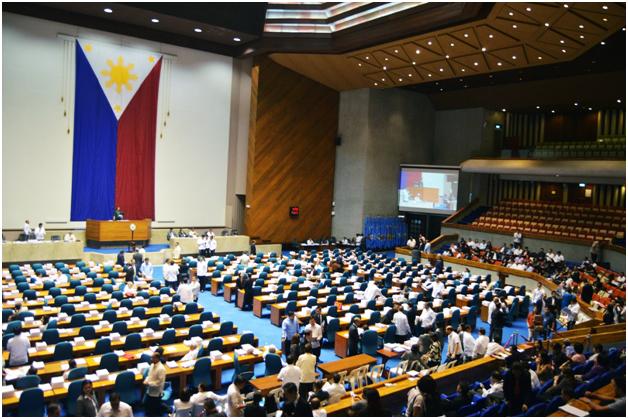
Every year, Congress passes the General Appropriations Act, or GAA. It funds government agencies, programs, and projects.
But debates over budget riders in the Philippines raise a bigger question.
Can Congress use the annual budget to change rules that already exist in another law?
The Supreme Court’s 2025 PhilHealth ruling provides a useful example.
What Are Budget Riders in the Philippines?
The Constitution allows Congress to include special provisions in the GAA.
However, those provisions must relate to a specific appropriation. They must also operate only in connection with that appropriation.
A budget rider goes beyond that purpose.
For example, a provision may start changing a broader government policy instead of simply setting rules for spending.
Not every special provision is unconstitutional.
Congress can place conditions on how agencies use public money. The key question is whether the condition still belongs in a budget law.
If it changes a broader policy, Congress may need to pass a separate law.
Why PhilHealth Became an Important Example
The issue became controversial under the 2024 GAA.
Special Provision 1(d) allowed certain government corporations to return some fund balances or excess reserves to the National Treasury.
The government planned to use those funds for unprogrammed appropriations.
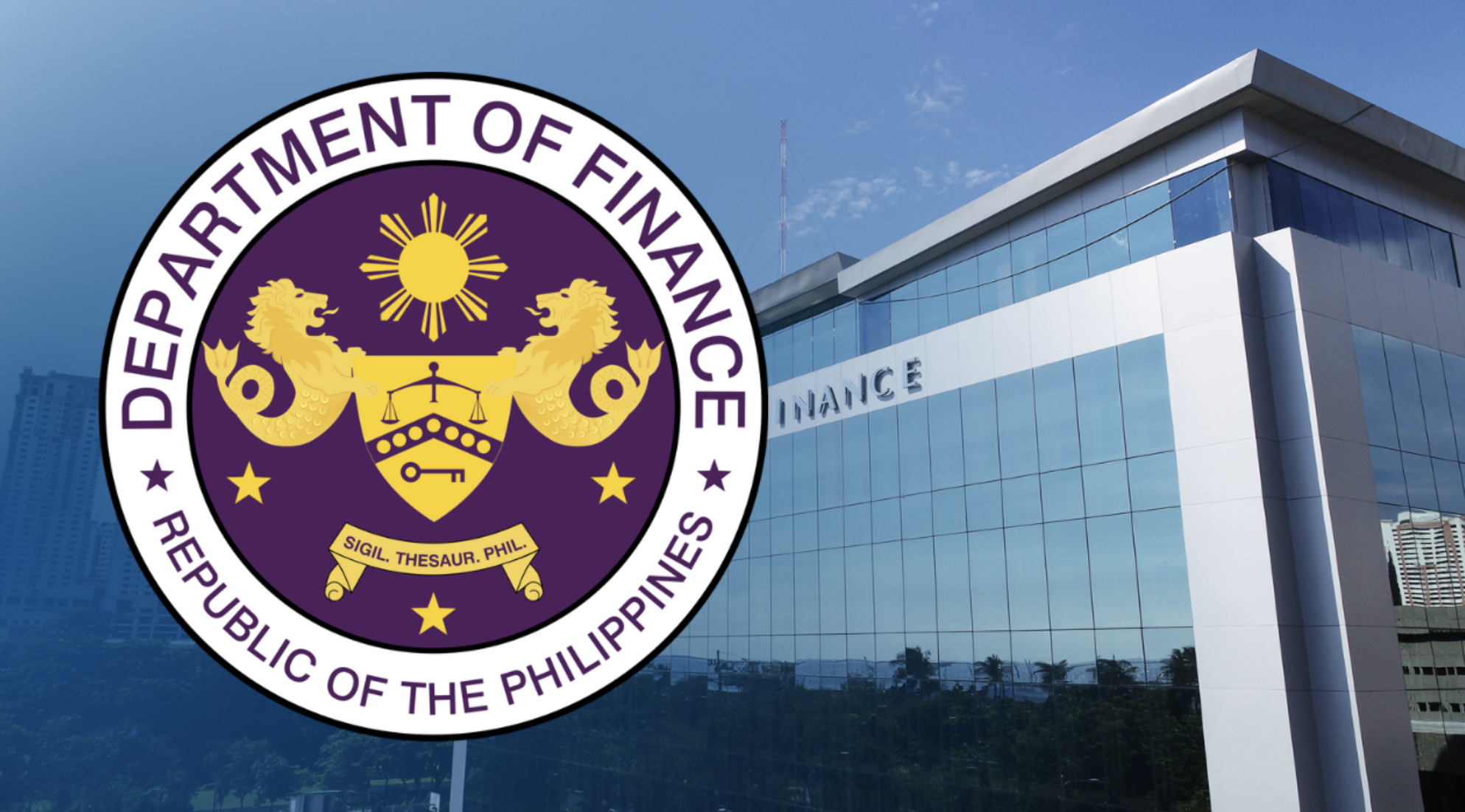
The Department of Finance later issued Circular No. 003-2024. It identified ₱89.9 billion in PhilHealth funds for transfer.
PhilHealth transferred ₱60 billion before the Supreme Court stopped the remaining ₱29.9 billion.
In December 2025, the Court ordered the government to return the ₱60 billion to PhilHealth.
It also permanently stopped the transfer of the remaining ₱29.9 billion.
By majority vote, the Court also voided Special Provision 1(d) and the DOF circular.
Why Did the Supreme Court Strike It Down?
One problem involved the phrase “fund balance.”
The 2024 GAA did not clearly define the term.
But the larger issue involved another law.
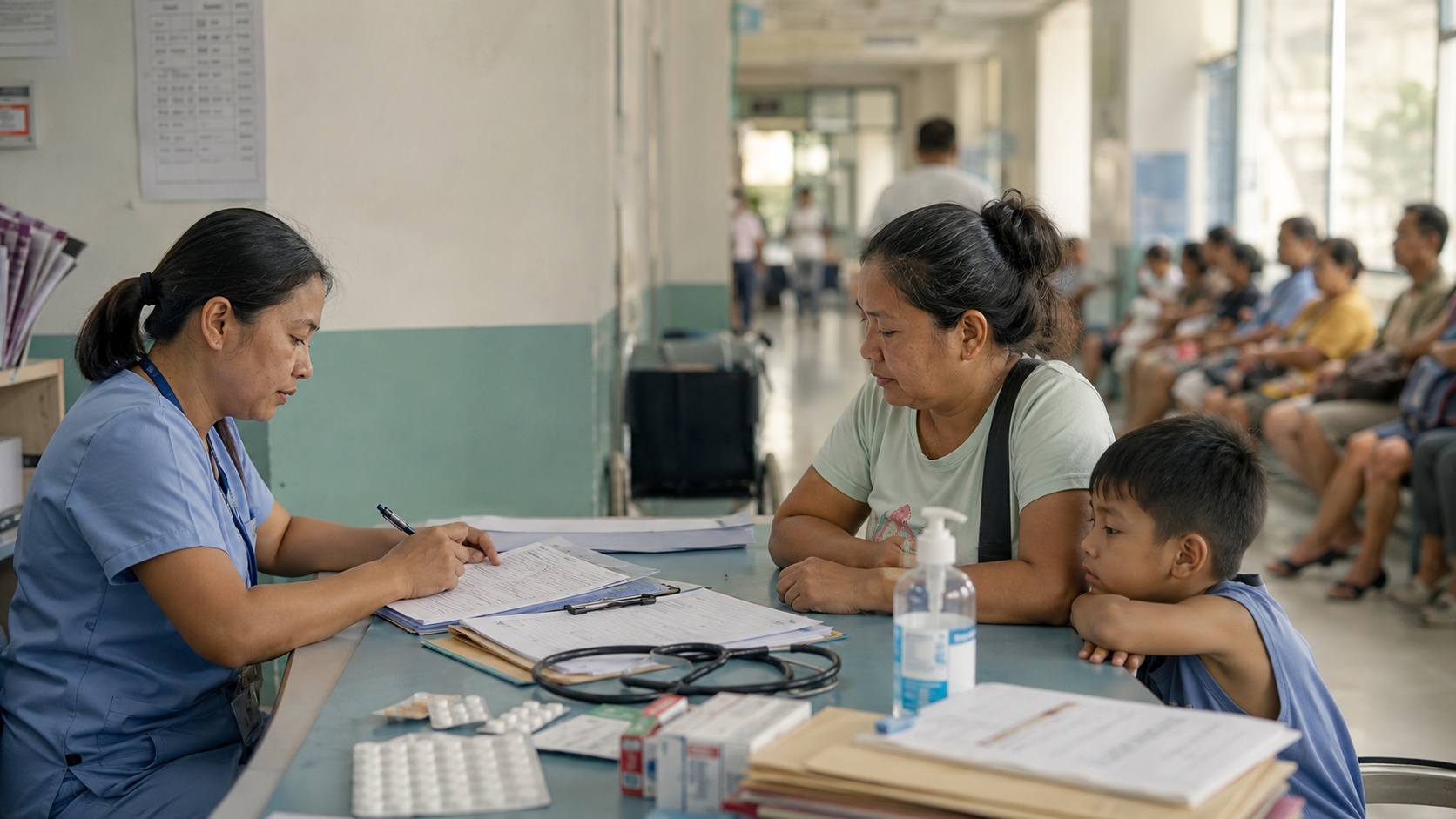
The Universal Health Care Act already sets specific rules for PhilHealth reserves.
Under Section 11, PhilHealth may keep reserves worth up to two years of projected program expenses.
If the reserves go beyond that limit, PhilHealth must use the excess to increase benefits and reduce member contributions.
The law also prevents PhilHealth reserve funds and their income from going to the National Government’s General Fund.
That created the conflict.
The 2024 budget allowed certain funds to move to the National Treasury.
But the Universal Health Care Act already stated how PhilHealth should handle those reserves.
The Court ruled that the annual budget could not override those existing rules.
Budgeting Is Different From Changing the Law
This distinction sits at the center of the issue.
An appropriation usually answers basic spending questions:
How much can government spend?
Where can it spend the money?
What conditions apply to that spending?
A substantive law does something broader. It creates rights, responsibilities, programs, and legal restrictions.
Congress cannot simply use a budget provision to change rules that belong in a separate law.
So if lawmakers want to change how PhilHealth reserves work, they may need to amend the law that governs PhilHealth.
A conflicting provision in the annual budget may not be enough.
Are Special Provisions in the GAA Illegal?
No.
Special provisions are a normal part of the national budget.
Congress can use them to control how agencies spend certain appropriations.
The legal issue begins when a provision goes beyond spending conditions and starts changing existing law.
The Supreme Court described a valid GAA provision as particular, unambiguous, and appropriate.
So the PhilHealth ruling does not mean Congress cannot place conditions in the budget.
Instead, it draws a line.
The national budget cannot automatically serve as a shortcut for rewriting an existing law.
Why This Matters Beyond PhilHealth
The case involved healthcare funds, but the issue goes beyond PhilHealth.
Congress passes a new national budget every year.
Other laws can remain in force for many years.
If budget provisions could freely override those laws, major policies could change every year through budget language alone.
That is one reason the Constitution limits what Congress may include in the GAA.
The rule also supports transparency.
Major policy changes should normally go through the legislative process instead of appearing inside a must-pass spending bill.
The Bigger Question
The PhilHealth case was not only about ₱60 billion.
It also raised a larger question about Congress’s power to spend and its power to make laws.
Congress can decide how government money should be appropriated.
But problems arise when a budget provision starts changing rules that another law already established.
At that point, the issue becomes more than budgeting.
It becomes a question of whether Congress should change the policy through the normal legislative process.
That is the key issue behind budget riders in the Philippines.
Not every condition in the national budget is improper.
But the GAA cannot automatically replace an existing law when that law already sets different rules.